

Who says hemorrhoids are only experienced by adults? In fact, this condition can also occur in children, although parents often don't realize it. What causes hemorrhoids in children? Hemorrhoids are often caused by excessive and repeated straining during bowel movements over a long period of time. Hemorrhoids can also arise from chronic constipation or severe diarrhea.
To avoid misinterpreting your child's symptoms, let's learn about the symptoms of hemorrhoids in children and when to consult a doctor.
Early Symptoms of Hemorrhoids in Children That You Need to Pay Attention to
1. Presence of an anal lump
In mild cases, hemorrhoids can return to the anus on their own after a bowel movement. However, as the hemorrhoids worsen, they may require finger pushing or may become involuntary and remain protruding. These lumps can cause discomfort and are often painless unless they become infected or develop a thrombosis (blood clot). As they grow larger, children may become afraid or reluctant to use the toilet.
2. Bloody bowel movements or blood spots on the tissue/toilet
The appearance of fresh blood after a bowel movement is one of the most easily recognized signs. Blood is usually visible on a tissue when wiping after a bowel movement. Fresh blood may also be visible on the surface of the stool or drip into the toilet bowl. This condition occurs when swollen blood vessels become rubbed or rupture. Although it may seem minor, repeated bleeding can lead to anemia, which can interfere with growth and development.
3. Itching or pain in the anal area
The presence of mucous-filled hemorrhoidal lumps often leaves mucus and germs on underwear, irritating the area around the anus and genitals. Itching or pain can also occur due to skin irritation around the inflamed blood vessels. Children tend to scratch or appear restless due to this discomfort.
4. Children feel incomplete when defecating.
The sensation of still needing to defecate after using the toilet could indicate swelling in the rectum. Children may return to the bathroom frequently because they feel like they haven't completely passed the stool. This can make them even more uncomfortable and can trigger anxiety during bowel movements.
5. Your child is fussy or reluctant to go to the toilet because of pain.
Pain during bowel movements often causes children to delay going to the bathroom. As a result, the stool becomes harder and worsens symptoms. Children may become fussy, cry, or show fear every time they are taken to the toilet. This habit of holding in bowel movements actually worsens hemorrhoids and can lead to anal fissures, which are injuries to the anal ring caused by stool that is too hard or large.
Causes and Risk Factors of Hemorrhoids in Children
Hemorrhoids in children don't just appear out of nowhere; everyday habits or certain conditions usually trigger the swelling of the veins in the anal area. Here are some of the most common factors:
1. Not having regular bowel movements every day and chronic constipation
Regular daily bowel movements keep the anus and rectum clean and prevent excessive stool retention. Stool retained in the large intestine is continually absorbed, so stool not passed within 24 hours tends to harden the next day. This hard stool residue and additional stool the following day create a large, hard stool volume that significantly complicates bowel movements. In addition to hemorrhoids, chronic constipation can lead to proctitis, anal fissures, and rectal prolapse.
2. Lack of fiber
Children who rarely eat vegetables, fruit, and fibrous foods tend to have hard stools, so that during the defecation process they have to strain beyond normal limits.
3. Not drinking enough water
Low fluid intake causes stool to become dry and hard. This makes defecation more difficult and can injure the anus and rectum, increasing the risk of hemorrhoids.
4. Sitting too long
Sitting for hours while studying, watching TV, or playing with gadgets can weaken the muscles and connective tissue of the pelvic floor and anus, as well as impair blood and lymph flow in the area. This can increase blood circulation stagnation in the anal area, leading to pressure on the anus and triggering swelling.
5. Genetic or hereditary factors
If someone in the family has a history of hemorrhoids, the child is also at risk of experiencing the same condition.
By improving daily habits such as eating and drinking, bowel movements, and physical activity, and meeting your child's nutritional needs, the risk of hemorrhoids can be reduced early. If symptoms persist, seeing a doctor is the safest course of action.
How to Treat and Prevent Hemorrhoids in Children
Several simple home practices can help relieve symptoms and prevent future recurrence. Here are some guidelines parents can follow:
1. Increase your fiber consumption (vegetables and fruit) and drink enough water.
Adequate fiber and water intake will soften the stool and make the bowel movement process smoother and easier so that the child does not have to strain too hard and is not painful.
2. Get your child used to not holding in their bowel movements.
Delaying going to the toilet can harden stool and worsen hemorrhoid symptoms. Take your child to the toilet immediately when the urge arises.
3. Reduce the amount of time spent sitting and encourage children to be more active.
Physical activity helps improve blood circulation, digestive tract movement, and strengthen the muscle structure and connective tissue of the pelvic floor and anal area.
4. Use hemorrhoid ointment or stool softener as directed by your doctor.
If constipation is bothersome, topical anal medication combined with a stool softener can relieve pain, irritation, or swelling. Laxatives that stimulate the passage of stool should be avoided.
5. Avoid forcing your child to strain, it is better to squat while defecating.
Teach your child to relax during bowel movements and ensure proper bowel movement positioning to make the process easier (see image). For younger children, a small stool can be used to support their feet.
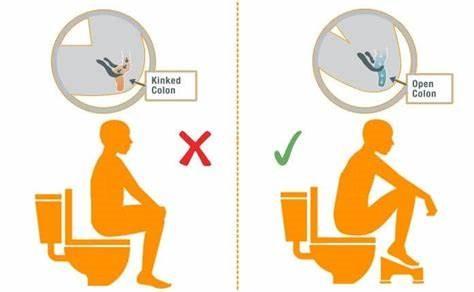
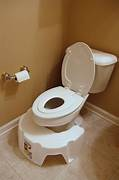
A good defecation position: 1. Do not hunch your back; 2. Keep your legs slightly apart, not pressed together. 3. Lean your body slightly forward. 4. Your arms and elbows may rest on your knees. 5. Your knees should be higher than your hips. A squatting position will straighten the exit angle of the stool and relax the puborectal sling muscles , allowing for a more direct and smoother stool flow.
By consistently implementing these steps, your child's hemorrhoids can improve and the risk of recurrence can be reduced. If symptoms persist or worsen, consult a doctor immediately for further evaluation.
When Should You Take Your Child to the Doctor?
Various complaints in a child's anal area can be worrying for parents, but the key is recognizing when the condition requires medical attention. If the lump grows larger, is very painful, or there is heavy bleeding, these are signs that you need to consult a doctor immediately. Similarly, if your child appears weak, pale, or begins to be afraid to defecate due to the discomfort they are experiencing, consult a doctor immediately.
If you've been on hemorrhoid treatment for several days without any improvement, don't hesitate to return for a consultation with a pediatric surgeon. Unlike adults, hemorrhoid surgery rates in children are lower. However, several other conditions can be mistaken for hemorrhoids, such as rectal prolapse, rectal polyps, and anal fissures, which require specialized treatment by a pediatric surgeon. Essentially, a medical examination is crucial to ensure a correct diagnosis, prevent complications, and help your child receive safe and effective treatment. With prompt and appropriate action, your child's comfort and health can quickly recover.
Article written by Dr. Leo Rendy, Sp.B (K) Ped (Pediatric Surgery Specialist, EMC Sentul Hospital).