

Fat transfer, often called fat grafting, is an aesthetic procedure that transfers fat from one area of the body to another to improve volume, contour, or skin quality. Because it uses the body's own fat (autologous fat), this procedure is considered more natural and carries a lower risk of allergic reactions than synthetic fillers.
What is Fat Transfer?
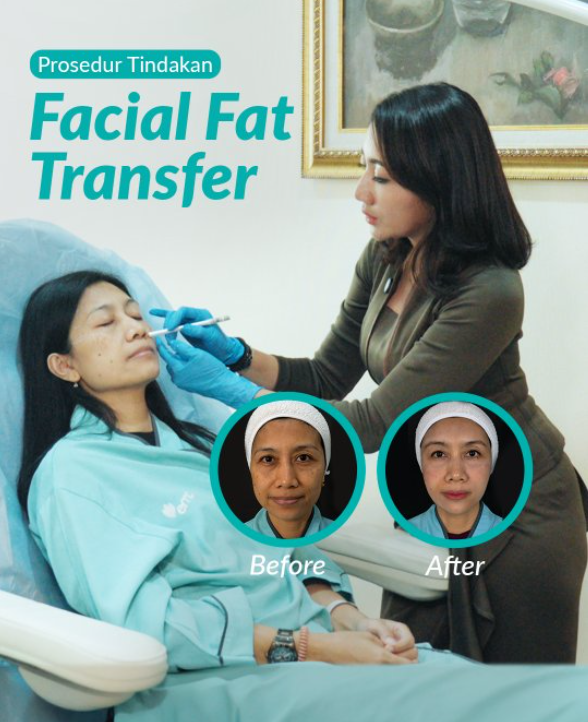
Fat transfer is a minimally invasive surgical technique consisting of three main stages: Fat is removed through a gentle liposuction procedure, usually from areas such as the abdomen, thighs, or waist. The fat is then filtered and processed to separate healthy fat cells from fluid and debris. The purified fat is carefully injected into target areas such as the face, breasts, buttocks, or arms.
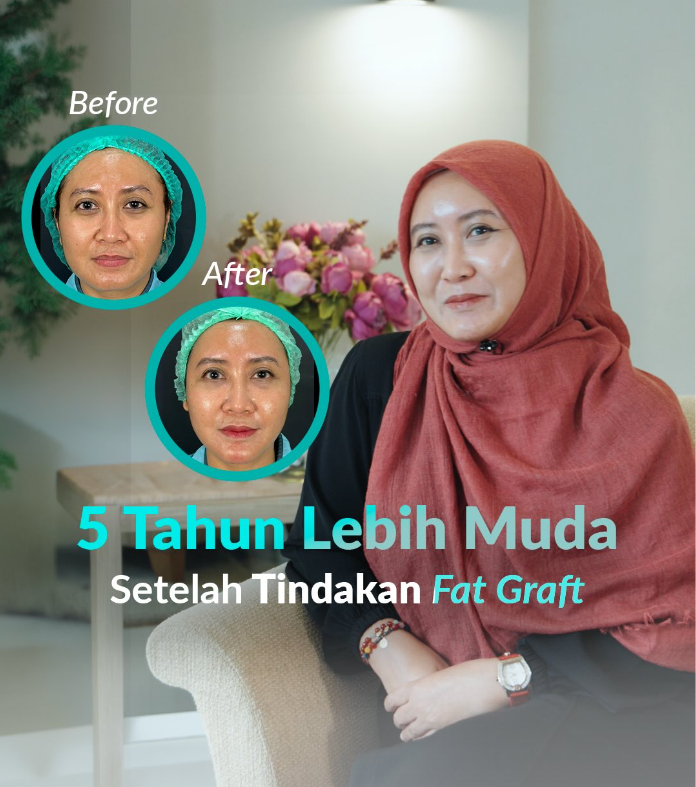
Generally, fat transfer in the facial area aims to fill sunken cheeks, reduce under-eye hollows, smooth nasolabial folds and rejuvenate the face as a whole.
Advantages and Disadvantages of Fat Transfer
The advantages of fat transfer include using the body's own tissue (more natural), minimal risk of allergies, and immediate, natural-looking results. The disadvantages and risks of fat transfer include some fat being absorbed by the body (30–50%), the possibility of requiring additional sessions, and the risk of infection, asymmetry, or fat necrosis if not performed by an inexperienced doctor.
For the longevity of fat transfer, some of the fat that "survives" will remain permanently. Final results can usually be assessed after 3–6 months. The stability of the results is also influenced by the doctor's technique, post-treatment care, and the patient's weight stability.
Pre- and Post-Operative Management of Fat Transfer
Pre- and postoperative management are crucial components of a successful autologous fat transfer. An evidence-based approach that includes appropriate patient selection, atraumatic techniques, optimization of systemic conditions, and thorough post-operative monitoring has been shown to improve fat graft survival and reduce complications. The combination of precise surgical techniques and comprehensive management provides safer and more predictable aesthetic outcomes.
Ideal candidates for fat transfer are those with adequate fat reserves, stable body weight, and who are non-smokers or have quit smoking at least four weeks before the procedure. Smoking has been shown to disrupt microcirculation and angiogenesis, thus reducing graft viability. Furthermore, for one to two weeks before the procedure, discontinue use of aspirin, NSAIDs, high-dose vitamin E, and herbs that affect coagulation.
After the fat transfer procedure, the initial phase of 0–72 hours aims to reduce inflammation, protect the graft from pressure, and maintain tissue perfusion. Therefore, it is recommended to avoid pressure on the facial area where the transfer was performed, use a compression garment on the donor area, and continue to perform light mobilization to prevent thrombosis.
The recovery phase lasts 1-3 weeks, during which time you should avoid strenuous exercise and excessive heat exposure. Swelling usually subsides within 2-3 weeks. Fat resorption is complete within 3 months, indicating that the surviving adipocytes are those that successfully underwent early revascularization.
When performed by competent medical personnel and with the right indications, fat grafting can be a safe and effective option in the world of modern aesthetics.
Article written by Dr. Pipim S. Bayasari, Sp.DV (Dermatology and Venereology Specialist, EMC Sentul Hospital).